
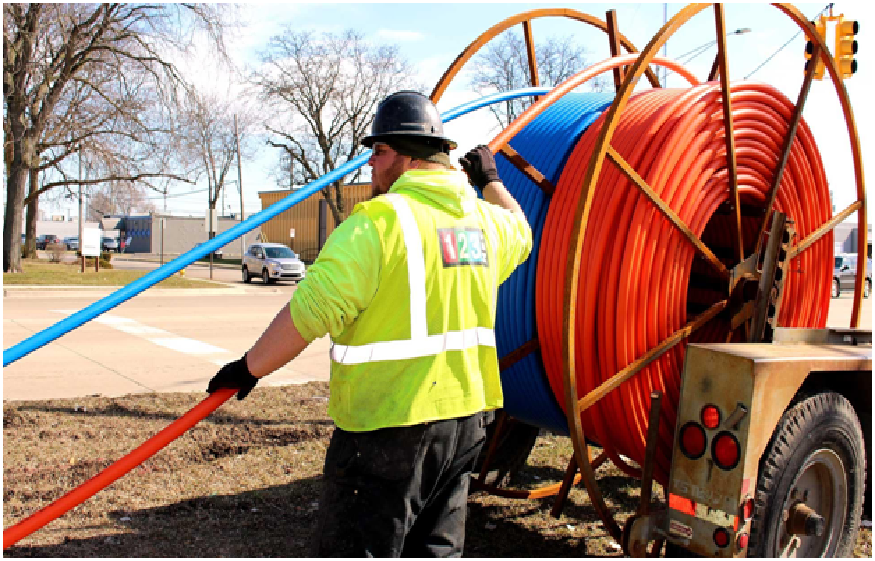
San Antonio businesses expand networks for simple reasons: more staff, more devices, more cameras, more cloud apps, and more space to cover. The problem is that expansion work often happens while the building stays open, which means mistakes get expensive fast.A rushed backbone can create intermittent slowdowns, weird dropouts, and support tickets that never fully stop, even after new switches are installed.
The safest approach is to treat fiber as infrastructure, not a quick add-on. When pathways are planned, splices are protected, and testing is documented, speed becomes predictable, and upgrades feel controlled. That is exactly where experienced contractors matter. They help property teams avoid rework, reduce downtime, and keep expansion projects from turning into ongoing operational headaches.
Expansion Planning With Fiber Contractors Prevents Bottlenecks
San Antonio expansions tend to add load in specific places, not everywhere at once. Conference corridors, training rooms, security stations, and high-traffic floors can spike hard during peak hours. A smart plan maps those hotspots and ties them to closet locations, riser routes, and trunk capacity. That keeps the backbone aligned with real use instead of a neat-looking drawing that ignores how people actually move.
Read More : The Future of Enterprise Customer Service AI Solutions with Scaling Global Support Safely
In large sites, fiber optic cable contractors also reduce risk by clarifying what is being expanded and why. They separate a true backbone constraint from a localized suite issue and avoid overbuilding the wrong areas. They also flag access limitations early, like tight risers or restricted ceilings, so scheduling stays realistic. When the planning is honest, expansions stay smoother, and the final performance feels consistent, not random.
Pathways and Riser Strategy That Keep Repairs Quiet
Most downtime gets worse when technicians cannot reach the physical layer cleanly. Crowded conduits, sharp bends, and poorly protected runs create damage during routine building work, especially in shared risers and long corridors. A good expansion plan protects routes with proper trays, slack management, and safe entry points, so a later ceiling crew does not accidentally crush the backbone.
Property teams also benefit from clean service access. When closets stay organized, labels are clear, and splices are placed in reachable locations, repairs stop being disruptive. Instead of reopening multiple ceilings to trace one run, technicians can isolate faults quickly and work in shorter windows.
Splicing Discipline Trusted Fiber Contractors Use under Load
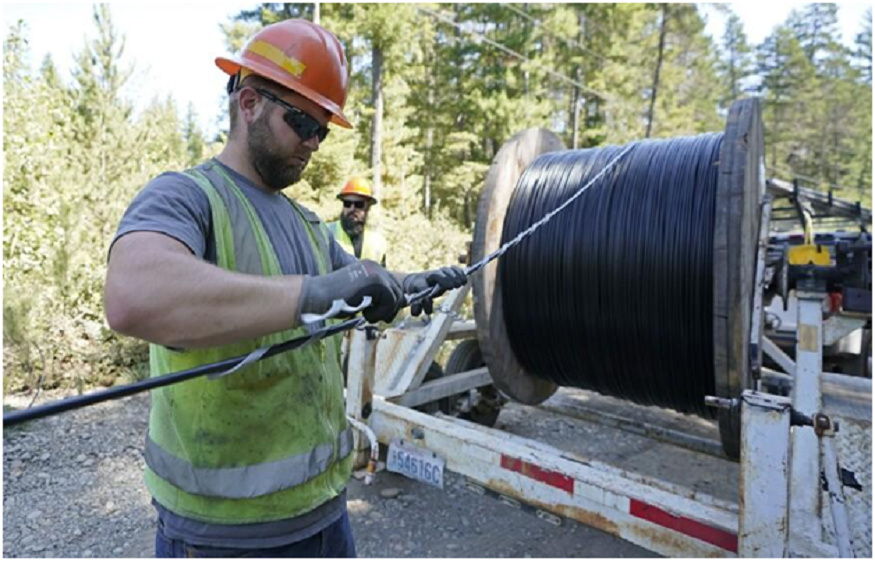
Fiber expansion success often comes down to small details: connector handling, polishing quality, splice protection, and consistent end-face cleanliness. Those details are easy to rush, and the result is “mystery” errors that only appear under load. When users flood the network at peak times, tiny losses can translate into retries, dropped sessions, and jitter that feels like a system-wide slowdown.
This is where trusted fiber cable contractors stand out, because they treat splicing and termination as precision work. They protect enclosures, document locations, and follow cleaning routines that prevent drift later. They also standardize labeling across closets so the physical layer matches drawings. That discipline makes troubleshooting faster and keeps expansions from creating new weak links that show up months after the project closes.
Testing and Closeout That Make Expansions Defensible
Installation is not proof. Without OTDR traces, power readings, and certification results, teams are stuck guessing when something feels off later. Testing creates a baseline that owners can compare after remodels, equipment refreshes, or future expansions. It also makes vendor transitions easier because a new team can step in and understand what “good” looked like on day one.
Strong closeout packages also reduce disputes. Fiber optic cable contractors who align rack labels, drawings, and test records prevent the classic scenario where the building has fiber, but no one is sure which strand is which. When everything matches, troubleshooting becomes fast and calm. Property teams can schedule work confidently, avoid repeated ceiling access, and keep tenant disruption low during urgent fixes.
Scheduling Expansion Work without Disrupting Tenants
Commercial expansions usually happen in occupied spaces, which means the best technical plan can fail if scheduling is sloppy. A good approach phases work by zone, batches noisy tasks after hours, and keeps daytime activity focused on quieter pulls, closet work, and labeling. Crews restore ceilings the same day when possible and keep corridors clear of staged materials so the building still feels professional.
Communication matters just as much as the schedule. Weekly look-ahead notes, simple maps of affected areas, and one point of contact help security and tenant managers coordinate escorts and access rules. When people know what is happening, cooperation rises, and delays drop. That practical coordination is often the difference between a clean expansion and a dragged-out project with repeated rescheduling.
Growth Headroom That Avoids Repeat Construction
Expansions rarely stop at one phase. Tenants add devices, departments move, and new systems like access control or camera coverage increase traffic quietly. Planning headroom means reserving pathway capacity, avoiding crowded conduits, and documenting spare strands clearly so the next upgrade is not a restart. When the backbone is designed to grow, changes become controlled and predictable instead of disruptive.
The second advantage is long-term cost control. Trusted fiber cable contractors help teams avoid repeat ceiling rework by building in serviceable routes and leaving documentation that stays useful. They also recommend simple trigger checks after remodels so that drift is caught early. Over time, that discipline protects budgets, reduces downtime, and keeps performance stable as the property evolves across multiple expansion cycles.
Conclusion
Network expansions go smoother when the fiber layer is treated like infrastructure, not a quick patch. Clean pathways, precise splicing, defensible testing, and clear documentation reduce the hidden costs that show up later as downtime and tenant complaints. When property teams plan for growth and service access, expansions stay predictable, and performance remains consistent even as load increases and layouts change.
CMC Communications supports commercial teams with fiber planning, installation coordination, and closeout documentation designed for long-term serviceability. Their team helps owners expand networks with cleaner pathways, verified testing, and organized records that stay useful after remodels and future growth, so projects remain low-disruption and performance stays dependable over time.
Frequently Asked Questions
Question: When should a property team consider a fiber expansion instead of “tuning” the network?
Answer: If slowdowns hit multiple areas at peak times, or if new devices and cameras are being added, the backbone may be the real constraint. A baseline assessment of trunk links and closet-to-core paths helps confirm it. Expansion is often the cleaner fix when existing uplinks are simply outgrown.
Question: What usually causes fiber performance issues after an expansion?
Answer: Common causes include tight bends, poorly protected pathways, dirty connectors, inconsistent labeling, and undocumented splices. These issues can look fine during a quick check but fail under load. Clean workmanship and documented testing reduce the chance of intermittent problems later.
Question: What closeout documents should owners request?
Answer: Owners should request as-built drawings, strand assignments, rack and patch labels, and test results for key runs. OTDR traces for trunk paths are especially useful. Keeping everything in one shared folder makes future upgrades and troubleshooting much faster.
Read More : Public Safety DAS Installation: What Commercial Developers Should Plan Before Construction
Question: Can expansion work be done without disrupting an occupied building?
Answer: Yes, if work is phased by zone and noisy tasks are scheduled outside peak hours. Daytime work can focus on quiet pulls, labeling, and closet terminations. Clear tenant notices and same-day ceiling restoration keep cooperation high and complaints low.
Question: How can teams plan for future expansion during today’s project?
Answer: They can reserve pathway capacity, document spare strands, keep risers serviceable, and avoid packing conduits to the limit. A simple change log and periodic trigger checks after major remodels help prevent drift. The goal is to make the next phase feel incremental, not like starting over.